Insights on Business and Sales Negotiation
Join us for insights on how to negotiate a winning balance, where where both sides understand and appreciate the value they receive. As a result, you are more likely to forge a long-lasting relationship that yields more and better opportunities in the future. This idea underpins K&R Negotiations’ Win Wisely™ approach and underlines the importance of using leverage wisely.
 https://www.negotiators.com/images/K&R-logo-small.png
0
0
Mladen Kresic
https://www.negotiators.com/images/K&R-logo-small.png
Mladen Kresic2012-02-15 08:45:312018-01-28 20:32:26The Dynamics of Credibility and Leverage
https://www.negotiators.com/images/K&R-logo-small.png
0
0
Mladen Kresic
https://www.negotiators.com/images/K&R-logo-small.png
Mladen Kresic2012-02-04 09:13:402018-01-28 20:16:09If You Don’t Listen, You Can’t Win: Positive Attitudes for Effective Global Negotiators
https://www.negotiators.com/images/K&R-logo-small.png
0
0
Mladen Kresic
https://www.negotiators.com/images/K&R-logo-small.png
Mladen Kresic2012-01-25 12:05:362018-01-28 20:16:17The Principles of International Negotiation: Finding Universal Value in a Complex World
https://www.negotiators.com/images/K&R-logo-small.png
0
0
Mladen Kresic
https://www.negotiators.com/images/K&R-logo-small.png
Mladen Kresic2011-12-21 08:12:352018-01-28 21:28:10Define Value, Win Credibility and Respect at the Negotiation Table
https://www.negotiators.com/images/K&R-logo-small.png
0
0
Mladen Kresic
https://www.negotiators.com/images/K&R-logo-small.png
Mladen Kresic2012-02-15 08:45:312018-01-28 20:32:26The Dynamics of Credibility and Leverage
https://www.negotiators.com/images/K&R-logo-small.png
0
0
Mladen Kresic
https://www.negotiators.com/images/K&R-logo-small.png
Mladen Kresic2012-02-04 09:13:402018-01-28 20:16:09If You Don’t Listen, You Can’t Win: Positive Attitudes for Effective Global Negotiators
https://www.negotiators.com/images/K&R-logo-small.png
0
0
Mladen Kresic
https://www.negotiators.com/images/K&R-logo-small.png
Mladen Kresic2012-01-25 12:05:362018-01-28 20:16:17The Principles of International Negotiation: Finding Universal Value in a Complex World
https://www.negotiators.com/images/K&R-logo-small.png
0
0
Mladen Kresic
https://www.negotiators.com/images/K&R-logo-small.png
Mladen Kresic2011-12-21 08:12:352018-01-28 21:28:10Define Value, Win Credibility and Respect at the Negotiation Table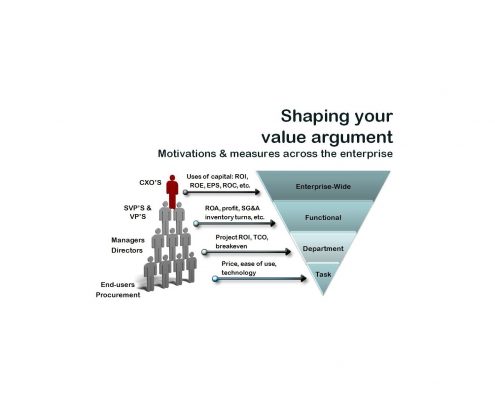 https://blog.negotiators.com/wp-content/uploads/2018/01/negotiating-value.jpg
1211
1546
Mladen Kresic
https://www.negotiators.com/images/K&R-logo-small.png
Mladen Kresic2011-12-07 07:54:232018-01-28 21:41:31Shaping Your Value Argument
https://blog.negotiators.com/wp-content/uploads/2011/11/negotiations-hidden-value.jpg
855
1600
Mladen Kresic
https://www.negotiators.com/images/K&R-logo-small.png
Mladen Kresic2011-11-23 11:33:382018-02-22 12:31:09Negotiation Tactics: Discovering the Hidden Value in Client Requests
https://blog.negotiators.com/wp-content/uploads/2018/01/negotiating-value.jpg
1211
1546
Mladen Kresic
https://www.negotiators.com/images/K&R-logo-small.png
Mladen Kresic2011-12-07 07:54:232018-01-28 21:41:31Shaping Your Value Argument
https://blog.negotiators.com/wp-content/uploads/2011/11/negotiations-hidden-value.jpg
855
1600
Mladen Kresic
https://www.negotiators.com/images/K&R-logo-small.png
Mladen Kresic2011-11-23 11:33:382018-02-22 12:31:09Negotiation Tactics: Discovering the Hidden Value in Client RequestsFeatured On